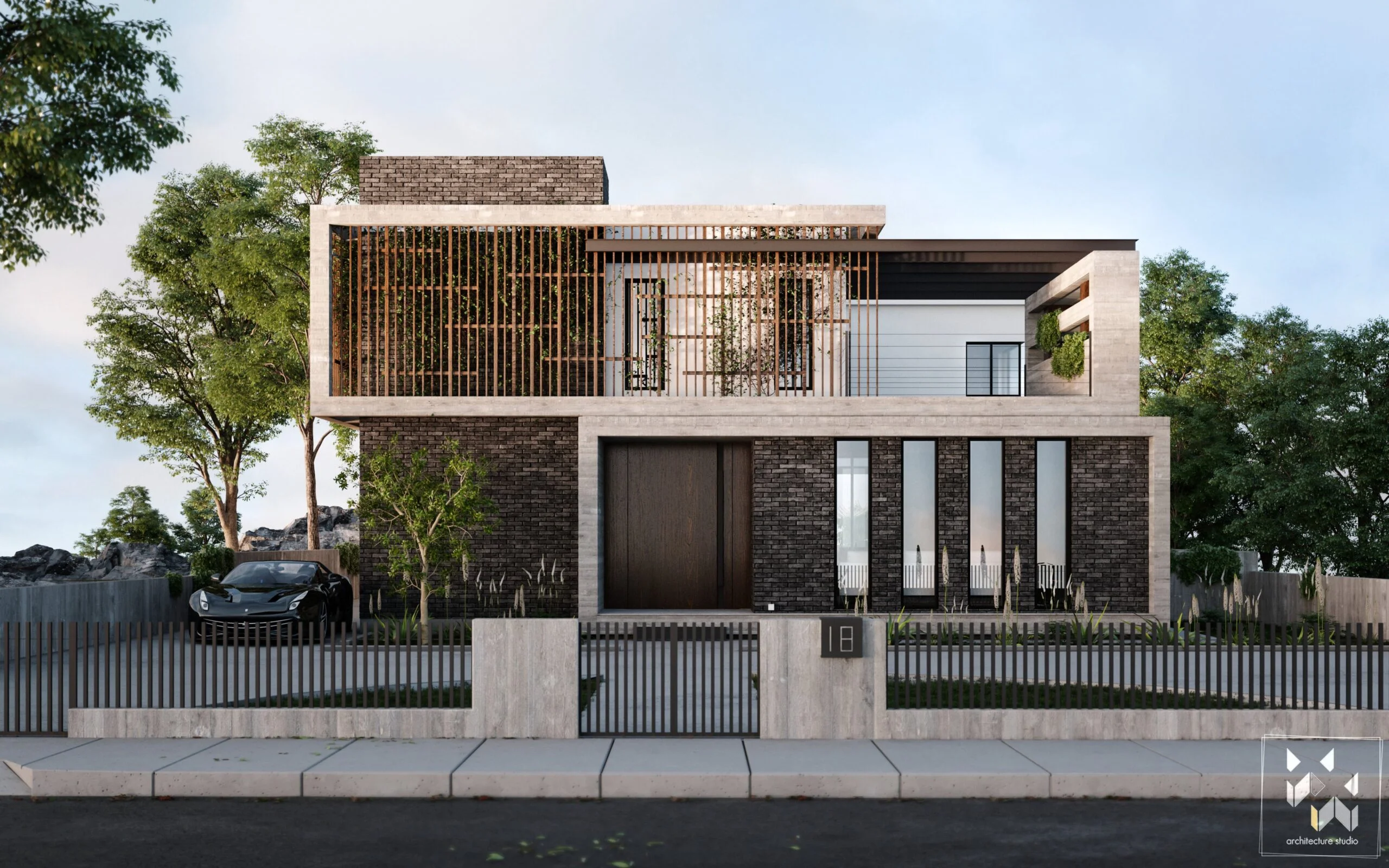

Cyprus has a long-running title-deed backlog: thousands of homes and apartments that are lived in, paid for, and insured but have no separate title deed (Τίτλος Ιδιοκτησίας) in the owner’s name. If that is your situation, the missing piece is usually a single document, the Certificate of Approval (Πιστοποιητικό Έγκρισης), and understanding it is the first step to getting your title issued.
What is the certificate of approval?
When a building is finished, it does not automatically get a title deed. The building has to be signed off as built in accordance with its permit. That sign-off is the Certificate of Approval, issued under the περί Ρυθμίσεως Οδών και Οικοδομών Νόμος (ΚΕΦ. 96 / Cap. 96), the same law that governs the building permit.
The certificate is what allows the Department of Lands & Surveys (Τμήμα Κτηματολογίου και Χωρομετρίας) to issue title deeds for the property. Without it, the Land Registry has nothing confirming the building is lawful and complete, so the title stays stuck. In Larnaca, the Certificate of Approval is now issued by the ΕΟΑ Λάρνακας (the district body that took over building licensing on 1 July 2024).
The chain from finished building to title deed
For a straightforward house:
- Planning permission and a building permit are obtained. (New to this? Read planning permission vs building permit.)
- The building is completed in accordance with the permit.
- An application for the Certificate of Approval is submitted through the ΙΠΠΟΔΑΜΟΣ platform.
- Once issued, the owner applies to the District Land Registry for the title deed.
For an apartment block, there is an extra layer: the building’s Certificate of Approval → a Horizontal Division Permit (Άδεια Οριζόντιου Διαχωρισμού) → the Certificate of Approval of that division permit → then the Land Registry titles each flat separately. This chain is exactly why so many apartment owners find themselves without individual deeds years after moving in: one link is incomplete.
Who applies and a useful detail
Whether you can apply yourself depends on when the building permit was issued:
- If the permit pre-dates the mandatory-supervision regime (Cap. 96, art. 61Θ / Reg. 10(3)), the owner may apply directly.
- If it post-dates it, only the appointed designer may apply through ΙΠΠΟΔΑΜΟΣ.
A practical point worth knowing: a Certificate of Approval can be issued for part of a building, useful where one section is complete and compliant while another is not.
The three types of certificates and the trap
Not every Certificate of Approval means “perfect.” Cap. 96 provides for three situations:
- Clean certificate (art. 10): The works match the permit. This is the one you want.
- Certificate with notes (art. 10Β): Issued despite recorded irregularities. This is the trap. A property can have title deeds and still carry recorded deviations from its permit. Buyers routinely see the words “final approval” and stop reading the notes, which are exactly where the problems are described. Always read them.
- Transitional provision (art. 10Δ): The competent authority may issue a certificate despite irregularities listed in the relevant Schedule. Critically, such a certificate legalises the works it refers to, independently of whether a valid planning permit, building permit, or division permit exists. This is the route many owners of older, partly irregular buildings ultimately rely on.
(You can read these provisions directly on cylaw arts. 10, 10Β and 10Δ are linked in the sources below.)
What if my building has unauthorized changes?
Small, everyday deviations, such as a moved wall, an enclosed veranda, or an extra store, are common and are the usual reason a certificate can’t be issued cleanly. Two routes exist to resolve them:
- The art. 10Δ transitional route above, which can legalise qualifying irregularities.
- The Planning Amnesty Scheme (Σχέδιο Πολεοδομικής Αμνηστίας), which ran specifically to legalise small-scale deviations in approved developments so that certificates and titles could be issued. That scheme closed to new applications on 23 June 2025, so for most owners it is no longer an option, but it’s worth confirming the current position. Is the Cyprus planning amnesty still open?
Which route fits depends entirely on what the deviations are and when the building was permitted. This is a case-by-case assessment, not a form you can fill in blind.
How to start
If you don’t have title deeds, the sequence is: establish why (usually a missing or “with notes” Certificate of Approval, or unresolved deviations), then work out the route to a clean certificate, then apply for the title.
We assess title-deed problems for owners across Larnaca and Cyprus, identifying exactly which link in the chain is missing and what it takes to close it, and we handle the permit and certificate process itself. If you’re stuck without a title, get a quote, and we’ll tell you where you actually stand.
Authoritative sources
- Cap. 96, art. 10 – Certificate of Approval – cylaw.org
- Cap. 96, art. 10Β – Certificate with notes – cylaw.org
- Cap. 96, art. 10Δ – transitional provisions for irregularities – cylaw.org
- ΕΟΑ Λάρνακας – building licensing FAQ – eoal.org.cy
By Christos Christou Architecture Studio, CGP Christou LLC, registered in the ETEK Register of Consulting Companies (Μητρώο Εταιρειών Μελετών), Reg. No. C00226. Verify in the ETEK register. Christos Christou Architecture Studio, Larnaca. General information current at the date of publication, not legal or conveyancing advice. Published 12 July 2026 · last reviewed 12 July 2026.